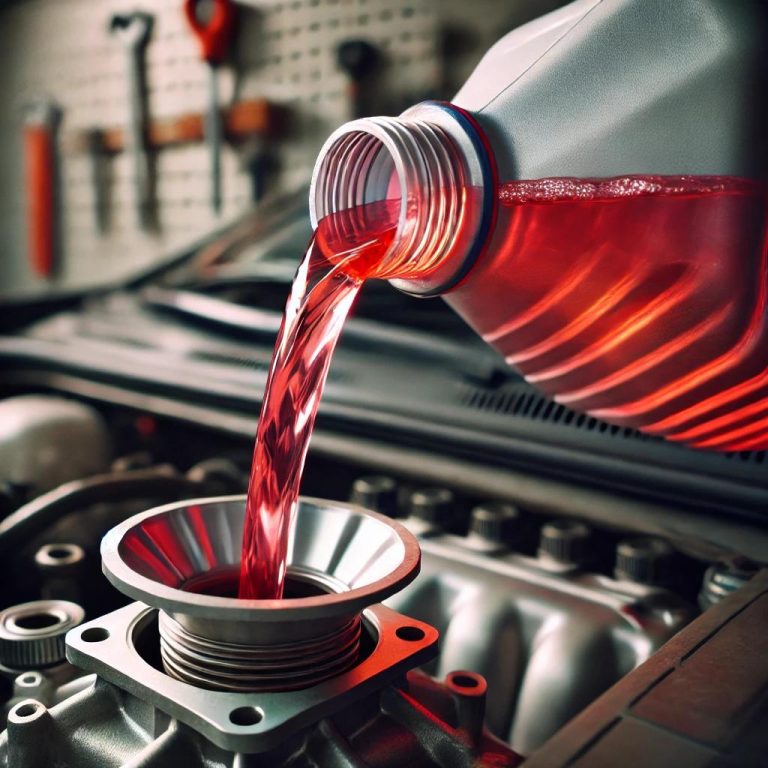
Maintaining your car’s transmission fluid is essential to keeping your vehicle running smoothly.
Neglecting it can lead to costly repairs and potential breakdowns. Understanding when to check your transmission fluid and recognizing the signs of low levels are key to ensuring your car remains in top condition.
In this guide, we’ll cover why transmission fluid matters, when you should check it, and how to spot signs of low fluid levels before they turn into major problems.
Why Transmission Fluid is Important
Transmission fluid serves multiple purposes in your vehicle. It lubricates the transmission components, ensuring they work smoothly together, cools the transmission system, and helps with gear shifting. Without adequate transmission fluid, friction increases, overheating occurs, and the overall performance of your car suffers.
When to Check Transmission Fluid
Knowing when to check your transmission fluid can save you from unnecessary stress and expenses. Here’s a breakdown of when you should check it:
1. Regular Maintenance Intervals
Most car manufacturers recommend checking the transmission fluid during routine maintenance. For many vehicles, this is every 30,000 to 60,000 miles. However, always refer to your car’s owner’s manual for specific guidance.
2. Before a Long Trip
If you’re planning a long drive, it’s wise to inspect the fluid levels beforehand. Ensuring everything is in order can prevent unexpected issues on the road.
3. When Towing or Carrying Heavy Loads
Towing trailers or carrying heavy cargo puts extra strain on your transmission. Checking the fluid during these times can prevent overheating and wear.
4. When You Notice Signs of Trouble
If your vehicle shows signs of low transmission fluid (which we’ll cover shortly), check it immediately to avoid worsening the issue.
How to Check Transmission Fluid
Checking transmission fluid is a straightforward process for most vehicles. Here’s a step-by-step guide:
- Park on a Level Surface
Ensure your car is parked on an even surface and the engine is running. Some vehicles may require the engine to be off; check your owner’s manual for specific instructions. - Locate the Transmission Dipstick
Open the hood and find the transmission dipstick. It’s often labeled and located near the engine. - Remove and Inspect the Dipstick
Pull out the dipstick, wipe it clean with a cloth, and then reinsert it. Remove it again and check the fluid level and condition. - Evaluate the Fluid
The fluid should be bright red and free of debris. If it’s dark, cloudy, or has a burnt smell, it’s time to change it.
Signs of Low Transmission Fluid
Running your vehicle on low transmission fluid can lead to severe damage. Here are the warning signs to watch for:
1. Slipping Gears
One of the most common signs of low transmission fluid is gear slipping. If your car struggles to stay in gear or changes gears unexpectedly, the fluid may be too low to provide the necessary pressure.
2. Delayed Gear Engagement
If there’s a delay when shifting from park to drive or reverse, it could mean the transmission fluid level is insufficient.
3. Unusual Noises
Low transmission fluid can cause grinding or whining noises, especially when shifting gears. These sounds indicate that the transmission components are not properly lubricated.
4. Overheating Transmission
A burning smell or high transmission temperature warning light could signal that the system is overheating due to inadequate fluid.
5. Leaking Fluid
Spotting red or brown fluid under your vehicle is a clear sign of a transmission fluid leak. Address leaks promptly to prevent low fluid levels.
6. Warning Lights
Modern vehicles often include dashboard warning lights for transmission issues. If the transmission warning light comes on, check the fluid immediately.
How to Address Low Transmission Fluid
If you discover low transmission fluid, follow these steps:
- Identify the Cause Low fluid levels are often caused by leaks. Inspect your transmission system for any visible leaks and get them repaired promptly.
- Top Off the Fluid Use the type of transmission fluid recommended by your vehicle manufacturer. Overfilling can also cause problems, so add fluid gradually and check the level frequently.
- Visit a Mechanic If you’re unsure about how to handle low transmission fluid or suspect internal damage, consult a professional mechanic for a thorough inspection.
Preventative Maintenance Tips
To avoid issues with low transmission fluid, incorporate these habits into your vehicle maintenance routine:
- Regular Inspections: Check your fluid levels as recommended and look for leaks.
- Fluid Changes: Replace the transmission fluid at intervals specified in your owner’s manual to keep it fresh and effective.
- Monitor Driving Conditions: Avoid heavy towing or driving in extreme conditions without ensuring your transmission system is in good shape.
Conclusion
Your car’s transmission fluid is vital to its performance and longevity. By checking it regularly and recognizing the signs of low fluid levels, you can prevent major issues and keep your vehicle running smoothly.
A little maintenance now can save you from big headaches down the road. Stay proactive, and your transmission will thank you!